
Liesel’s Relationship with Her Children
The Glass RoomThis flow traces Liesel’s motherhood from early pregnancy and devotion through illness, exile, and an adult child’s return.
increasing Bearing strength in each event
 decreasing
Bearing strength in each eventdecreasingImagining a Daughter
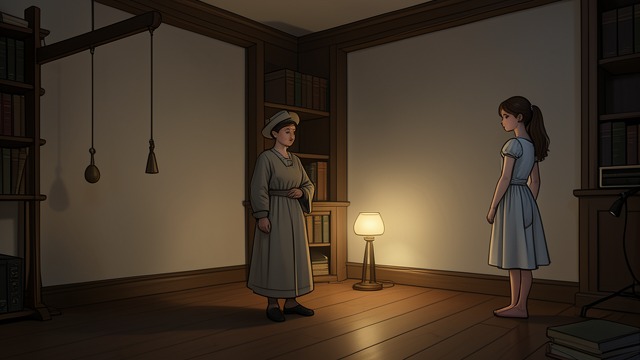
Anticipation and Embodiment
A child felt from within
Liesel experiences the first movements of pregnancy and imagines the child as a daughter. Hana’s playful pendulum ritual strengthens the shared excitement around the birth.
Pregnancy makes the future bodily and personal.
Motherhood imagined
Liesel’s expectation of a child becomes linked to the house she and Viktor are building. She sees the coming family as central to the meaning of the new home.
Feeding Ottilie
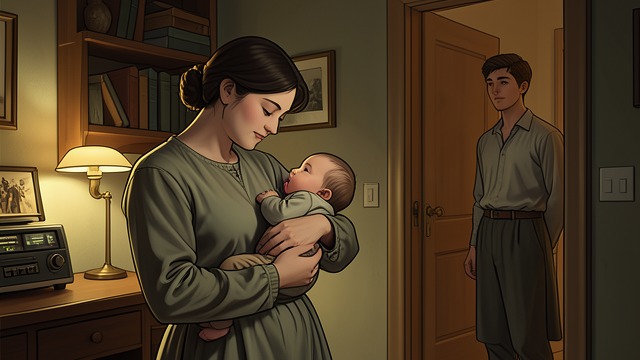
Care Through the Body
A mother and infant
Liesel feeds Ottilie and experiences the act as intimate, powerful, and at times strange. Rainer von Abt witnesses one feeding, making Liesel newly aware of her own maternal presence.
The scene joins ordinary care to the house’s language of design and creation.
A new identity
Liesel’s body has changed from what it was before pregnancy. Motherhood gives her a form of confidence that affects how she understands desire and her place in the household.
The Illness After Martin
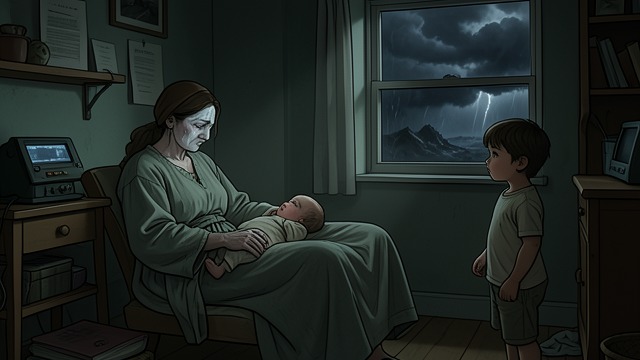
A Mother Nearly Lost
A dangerous recovery
Liesel’s fever after childbirth makes the family fear that she may die. She returns home weak and changed, with the baby near her but her own sense of life unsettled.
The illness forces the children and Viktor to confront the possibility of her absence.
A lasting bond
Liesel’s survival deepens her care for the children but alters her relationship with Viktor. Her motherhood is inseparable from vulnerability and recovery.
Children During Flight
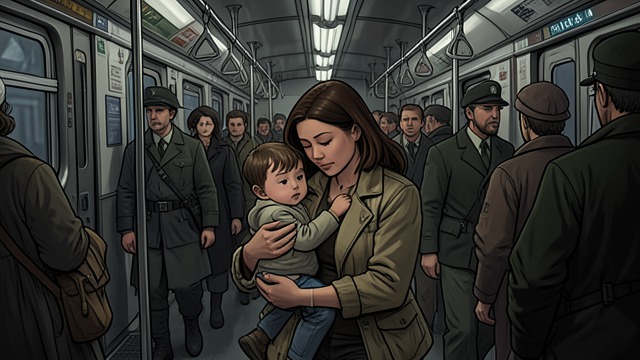
Protection in a Changing World
Questions on the journey
Ottilie and Martin ask practical questions while their parents navigate soldiers, borders, and travel papers. Liesel reassures them even when she cannot guarantee what will happen next.
Her role as a mother requires her to preserve the children’s sense of safety under pressure.
A family divided
At Bayonne, the children lose Marika and Katalin from their traveling party. Liesel holds the children close as the larger group is broken apart.
A Daughter Guides Her Mother
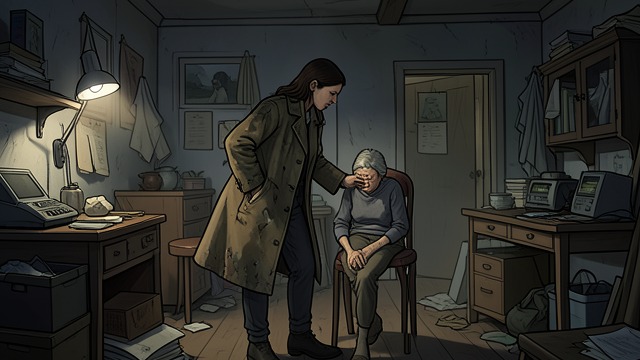
Care Reverses Direction
Ottilie’s support
Liesel returns blind and relies on Ottilie to help her navigate travel and the house. The daughter who once depended on her mother now provides practical assistance.
Their reunion restores family closeness without reversing the years apart.
Memory shared
Ottilie’s memories of the house and Liesel’s sensory knowledge meet during the visit. Their bond becomes a way of preserving a family history that neither could hold alone.
During Liesel’s first pregnancy
During Ottilie’s first months
Following Martin’s birth
On the route from Město to Spain
During the 1990 return
